Emergency Dentist Advice for Managing a Dental Emergency at Home

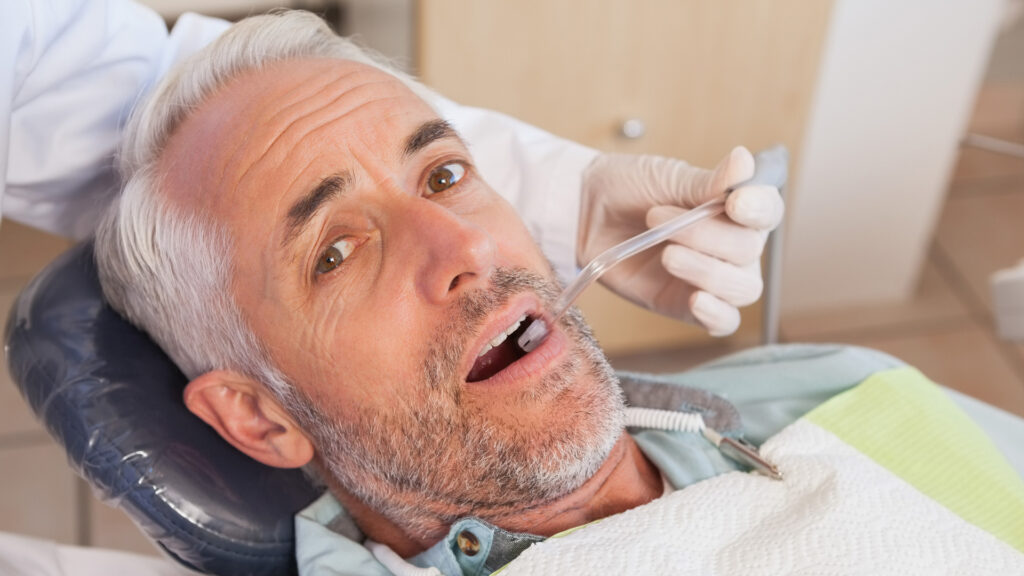

A dental emergency has a way of shrinking your world fast. One minute you are eating lunch, coaching a game, driving home, or getting a child ready for bed. The next, your attention narrows to a cracked molar, a knocked-out tooth, or a throbbing pain that makes it hard to think straight. In those moments, most people want the same thing, to stop the pain, avoid making it worse, and figure out whether they need an Emergency Dentist right away.
That instinct is reasonable. Dental problems can deteriorate quickly, but not every urgent issue needs the same response. A lost filling at 9 p.m. Is different from uncontrolled bleeding after an extraction. A chipped front tooth is upsetting, but it does not carry the same risk as facial swelling that is creeping toward the eye or making it hard to swallow. Good home care in the first hour can protect the tooth, reduce complications, and make treatment easier when you do get into the chair.
The key is to separate what you can safely do at home from what needs immediate professional help. Home management is not a substitute for treatment. It is first aid. Done well, it buys time and reduces risk. Done poorly, it can turn a manageable problem into a more complex one.
The first question to ask
Before you reach for clove oil, ice, or the internet, ask one clear question: is this a dental problem that can wait a few hours, or a medical problem that needs emergency care now?
If you have trouble breathing, trouble swallowing, severe swelling under the jaw or around the eye, heavy bleeding that does not slow with pressure, a suspected broken jaw, or signs of a serious infection such as fever with rapid swelling and malaise, skip home remedies and seek urgent medical attention. A hospital emergency department may be more appropriate than a dental office in those cases, especially if the airway could become compromised.
For everything else, a calm, methodical approach usually helps more than panic. Even painful situations often give you a short window to stabilize things at home while you contact an Emergency Dentist.
What to do in the first 15 minutes
The first few steps matter because they prevent secondary damage. People often make the problem worse by rinsing too aggressively, probing with sharp objects, or taking the wrong pain reliever after a procedure.
Here is the short version of immediate at-home dentalgroupbh.com Emergency Dentist care:
- Rinse gently with lukewarm salt water if there is debris or blood in the mouth.
- Apply clean gauze with steady pressure if there is active bleeding.
- Use a cold compress on the outside of the face for swelling or trauma, 15 minutes on and 15 minutes off.
- Take an over-the-counter pain reliever only if it is safe for you medically and you are not exceeding label directions.
- Call your dentist or an Emergency Dentist and describe the problem clearly, including when it started and whether swelling, fever, or trauma is involved.
A few cautions are worth spelling out. Aspirin can increase bleeding, so it is usually not the best first choice after an extraction or active oral bleeding. Never place aspirin directly on the gum or tooth. People still do this, and it can burn the tissue. Heat is another common mistake. If your face is swollen, warmth often makes it feel soothing for a moment, but cold is usually the safer option in the early phase because it helps limit inflammation.
Toothache that keeps building
A true toothache is not always caused by a cavity. It can come from cracked enamel, an inflamed nerve, a deep filling that has irritated the pulp, grinding and clenching, gum infection, sinus pressure, or food wedged between teeth. At home, your job is not to diagnose it perfectly. Your job is to lower irritation and watch for red flags.
Start with a gentle rinse of warm salt water. If food impaction is the culprit, floss carefully once, moving the floss along the side of the tooth rather than snapping it into the gum. If the pain eases dramatically after debris is removed, that tells you something useful. If the tooth continues to pulse, especially if it wakes you at night or reacts badly to hot drinks, there may be deeper inflammation.
Pain relief can help, but restraint matters. Follow the packaging instructions and your physician’s advice if you have stomach ulcers, kidney disease, blood thinner use, liver disease, pregnancy, or other conditions that affect medication choice. Sleeping flat often makes dental pain feel worse because blood flow increases pressure in the area, so elevating your head with an extra pillow can help overnight.
What should not be ignored is pain paired with swelling, a bad taste from drainage, difficulty opening the mouth, or tenderness that seems to spread into the jaw or neck. Those features suggest infection may be developing beyond the tooth itself. A home remedy is not enough in that setting.
A chipped or cracked tooth
Not every chipped tooth is an emergency, but the details matter. A tiny enamel chip with no pain can often wait a day or two. A crack that causes sharp pain when biting, or sensitivity to cold air, deserves faster attention. Fractures can deepen under normal chewing, and what starts as a repairable tooth can become a root canal or extraction if the crack extends.
Rinse the mouth, save any pieces if you can find them, and avoid chewing on that side. If the edge is sharp and rubbing your tongue or cheek, orthodontic wax or sugar-free chewing gum can be pressed over the area temporarily to reduce trauma. That is a short-term barrier, not a fix. If the crack is visible and the tooth feels loose, get seen promptly, especially after a fall or sports injury.
Front teeth deserve a little extra urgency even when pain is minimal, partly because cosmetic outcomes are better when treatment is not delayed. Small fractures can often be bonded beautifully if the edges are clean and the tooth is stabilized early.
When a tooth gets knocked out
This is one of the few dental emergencies where minutes matter in a very literal way. A permanent tooth that has been completely avulsed, meaning knocked out of the socket, has the best chance of survival if it is replanted quickly. The root surface is covered by delicate periodontal ligament cells. If those cells dry out for too long, the odds of successful reattachment drop sharply.
Handle the tooth only by the crown, which is the chewing or visible part. Do not scrub the root. If it is dirty, a brief gentle rinse with milk or saline is reasonable. If the person is alert and cooperative, and it is a permanent tooth rather than a baby tooth, the tooth can sometimes be carefully placed back into the socket and held there by biting softly on gauze until you reach an Emergency Dentist. If replanting at home feels unrealistic, keep the tooth moist in cold milk or a tooth preservation solution if one is available. Saliva can be used in a pinch, such as inside the cheek of an older cooperative patient, but there is a choking risk for children, so judgment matters.
Do not reinsert a baby tooth. That can damage the developing permanent tooth underneath. For children, dental trauma always deserves professional guidance because the treatment differs by age and stage of tooth development.
A filling, crown, or bridge that comes loose
These problems often feel dramatic because the tooth suddenly becomes jagged, sensitive, or strangely hollow. In many cases, they are urgent but not dangerous in the medical sense. The priority is protecting the exposed tooth and not losing the restoration.
If a crown falls off, store it safely and bring it to the appointment. Sometimes it can be recemented if the fit is still good and the underlying tooth is intact. Over-the-counter temporary dental cement can help for a short period, especially if the tooth is highly sensitive, but household glues have no place in the mouth. That includes super glue, craft glue, and anything sold for nonmedical repairs. Those products can damage tissues and complicate treatment.
A lost filling can leave the tooth exquisitely sensitive to cold air and sweets. Temporary filling material from a pharmacy can be useful overnight or over a weekend, but it should be placed gently and only after the area is clean and dry. If the tooth hurts when you bite down after a crown has come loose, avoid testing it repeatedly. People do this more often than they realize, tapping the tooth over and over to see if it still hurts. Each bite can aggravate the ligament around the root.
Swelling, abscesses, and the danger zone
A dental abscess is one of the most misunderstood emergencies because pain sometimes comes and goes. People assume that if the pressure lessens, the problem is resolving. Often the opposite is happening, the infection has found a pathway to drain, which may briefly reduce pain while the underlying source remains active.
Local swelling along the gumline can begin as a pimple-like bump near a tooth. More serious swelling changes the contour of the face, pushes the cheek outward, or causes firmness under the jaw. Once an infection spreads into deeper spaces of the face and neck, the risk profile changes. Dentists take that very seriously for good reason.
At home, cold compresses and pain relief may improve comfort, but they do not treat the infection itself. Do not place crushed tablets, alcohol, or caustic substances on the gum. Do not try to lance the swelling with a needle. I have seen people create additional tissue injury this way, sometimes introducing more bacteria and making drainage harder to control later.
If the swelling is expanding, if you feel ill, or if opening your mouth becomes harder by the hour, seek urgent care the same day. That is the sort of situation where calling an Emergency Dentist early can prevent a much worse night.
Bleeding after an extraction or injury
Blood in saliva looks more dramatic than it often is. A small amount can tint saliva pink for hours and still be within the realm of normal. The problem is persistent active bleeding, where the socket continues Emergency Dentist to ooze enough to fill the mouth or the gauze quickly despite proper pressure.
The technique matters more than people think. Fold clean gauze, place it directly over the site, and bite with steady firm pressure for 30 to 60 minutes without checking every few minutes. Constantly lifting the gauze to inspect the area disrupts the clot. A moistened black tea bag can sometimes help because tannins may assist with clotting, but pressure is still the main ingredient.
Spitting, vigorous rinsing, drinking through a straw, smoking, and heavy exercise all increase the chance of dislodging the clot. That matters because loss of the clot after an extraction can lead to dry socket, one of the more miserable forms of dental pain. Dry socket usually causes deep aching pain a few days after the extraction rather than immediate heavy bleeding, but the best way to avoid it is to protect the clot from the start.
A word about trauma in children
Children add a layer of complexity because they cannot always describe what they feel, and their teeth may be primary teeth, permanent teeth, or both depending on age. A toddler who falls into a coffee table may have a lip injury, a loose baby tooth, and a parent who is understandably terrified. The first priority is always airway and head injury concerns. Once those are excluded, oral injuries can be assessed more calmly.
If a baby tooth is pushed slightly or becomes loose, do not try to force it back into place. If a permanent tooth in a school-age child is knocked out, time becomes critical and you should contact an Emergency Dentist immediately. Cuts of the lip or tongue often bleed heavily at first because the tissues are so vascular. Clean gauze pressure and cold can help, but deeper lacerations may still need medical assessment.
One practical tip from years of seeing post-fall injuries: check the soft tissues carefully for tooth fragments if a front tooth is chipped. Small enamel pieces sometimes embed in the lip.
What your home kit should include
Most households are better prepared for headaches than dental emergencies, even though oral injuries are common. A few simple items can make a stressful evening much easier.
Keep these on hand if you can:
- sterile gauze pads
- a small container with a lid
- orthodontic wax or temporary dental cement
- saline or a way to mix salt water
- your dentist’s number and the contact for a local Emergency Dentist
You do not need a pharmacy aisle in your bathroom cabinet. You need a few clean basics and the judgment to use them properly.
Pain control without creating a second problem
Managing pain at home sounds straightforward until people start layering remedies. They take one product, do not feel better in 20 minutes, add another, then forget what they took or when. By midnight, the dental issue is still there and they have a medication problem as well.
Write down the time and dose of anything you take. Follow the label, and if you already use prescription medicines, consider possible interactions before adding over-the-counter products. Alcohol is not pain treatment, and it combines poorly with many medications. Topical numbing gels can offer modest relief for irritated gums, but they are often underwhelming for a true toothache that originates in the nerve. Some products are also not ideal for young children, so age matters.
The hard truth is that severe dental pain often does not respond fully to home measures because the pressure inside the tooth or around the root needs definitive treatment. If pain keeps escalating despite sensible steps, that is useful information to relay when you call.
When the emergency room is the better choice
A hospital is not always the fastest path to dental treatment, but there are times when it is absolutely the right place. The dividing line is whether the issue is threatening breathing, swallowing, major blood loss, facial bones, or general health in a broader medical sense.
Seek urgent medical care rather than waiting for a dental office if you notice any of the following:
- Swelling that affects breathing, swallowing, or the area under the tongue or jaw
- Fever with rapidly spreading facial swelling
- Uncontrolled bleeding after firm pressure
- Significant facial trauma, possible jaw fracture, or inability to close the teeth normally after injury
- A person who is becoming weak, confused, or difficult to rouse
These are not scenarios for watchful waiting. Dental infections can be serious, and trauma can involve structures beyond the teeth.
How to speak to the dentist so you get the right help faster
When patients call and say, “My tooth hurts,” the office has to do detective work. A more precise description can change how quickly you are brought in and what instructions you get while waiting. Mention when the problem began, whether there was trauma, whether the tooth is loose, whether there is swelling, whether heat or cold worsens it, and whether you have fever, bad taste, or trouble swallowing.
Photos can help in some situations, especially with swelling, chipped teeth, and dislodged crowns, but they are not a substitute for an examination. A cracked tooth can hide under the gumline, and a photograph will not show whether the pulp has been exposed or the root damaged.
If you are the one caring for an anxious child, be factual and calm when you call. Offices hear distress every day, and clear information helps them triage accurately.
The small decisions that prevent bigger damage
Most dental emergencies are not caused by one dramatic moment. They are the result of a weak point meeting a normal day. A filling that has been marginal for months finally gives way during lunch. A tooth with a deep cavity reaches the point where the nerve can no longer compensate. A night grinder cracks a molar cusp after weeks of stress. That is worth remembering because prevention is often less glamorous than first aid, but it is far more effective.
If you have a history of broken teeth, ask about a night guard. If you play contact sports, use a mouthguard that actually fits. If a dentist has warned you about a crack, do not wait for the weekend it chooses to split. Emergencies rarely become cheaper, simpler, or less painful with time.
What helps most at home is not heroics. It is composure, cleanliness, cold when swelling is involved, pressure when bleeding is involved, and the good sense to involve an Emergency Dentist before a manageable problem evolves into a true crisis. That blend of restraint and urgency is what protects teeth, lowers risk, and gets people through the night with fewer regrets the next morning.