Emergency Dentist Tips for Families: Building a Dental Emergency Plan

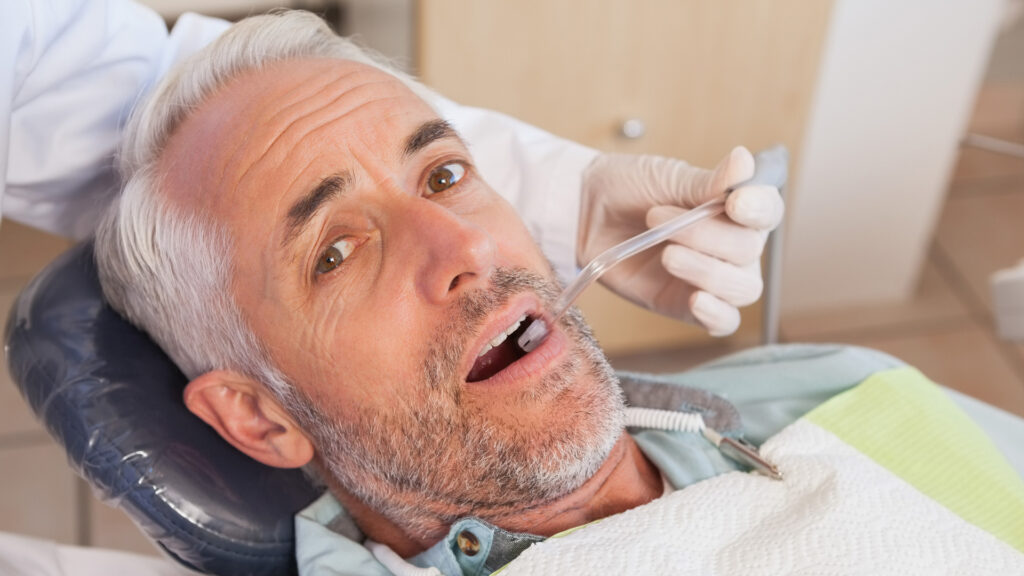

Families usually prepare for the obvious emergencies first. They know where the bandages are, they keep a thermometer in the bathroom cabinet, and many can recite the fastest route to urgent care Emergency Dentist without thinking. Dental emergencies, though, tend to get less attention until the moment they happen. Then everything feels rushed. A child falls off a scooter and chips a front tooth. A parent wakes at 2 a.m. With swelling and sharp pain. A grandparent bites down on something hard and breaks a crown before a holiday meal. The common thread is not just discomfort. It is uncertainty.
That uncertainty is what a dental emergency plan is meant to solve.
A good plan does not need to be complicated. It needs to be practical, easy to find, and realistic for the ages and routines in your household. The goal is not to turn parents into clinicians. It is to help families make better decisions in the first ten minutes, the first hour, and the first day after something goes wrong. Those windows matter. In dentistry, timing often affects pain control, treatment options, cost, and long-term outcome.
I have seen the difference a simple plan makes. Families who have one tend to stay calmer, preserve important details, and get to the right provider faster. Families without one often lose time trying home remedies that do not help, calling the wrong office, or waiting overnight when they should not. The plan does not need to cover every possible scenario perfectly. It just needs to prepare you for the most likely problems and make the first response more orderly.
What counts as a dental emergency at home
Not every dental problem is an emergency, but many deserve same-day advice. That distinction helps families avoid both extremes, panicking over a minor issue and minimizing something serious.
Severe, persistent pain is often the first sign that prompt care is needed. Pain that keeps someone from eating, sleeping, or functioning normally should not be brushed off. Swelling, especially in the gums, face, or jaw, deserves special attention because it can point to infection. If swelling is spreading, if there is fever, or if swallowing or breathing feels difficult, that rises above routine dental care and may require emergency medical attention immediately.
Trauma is another major category. Broken teeth, knocked-out teeth, cuts to the lips or gums, and jaw injuries are common in active households, especially where sports, bikes, trampolines, and rough play are part of the week. Bleeding that does not stop with steady pressure is urgent. A knocked-out permanent tooth is one of the clearest examples where minutes count. The faster the response, the better the chance of saving the tooth.
Then there are problems that may feel less dramatic but still warrant prompt contact with an Emergency Dentist. A lost filling can leave a sensitive area exposed. A cracked molar may not hurt much at first, then suddenly split further during dinner. A loose crown before a trip can turn into a painful fracture if ignored. Orthodontic issues also show up in family life. A broken wire or bracket can irritate cheeks and gums enough to interfere with eating and sleep.
Children add a layer of complexity because they do not always describe symptoms clearly. A younger child may say a tooth feels “funny” when the real problem is a deep cavity, an abscess, or a piece of tooth broken near the nerve. Older adults can present differently too, especially if they have extensive dental work, dry mouth, diabetes, or medications that affect healing. A family plan should account for both ends of the age range.
Why families benefit from a dental emergency plan before they need one
Emergency decisions tend to get worse when people are tired, scared, or pressed for time. A plan creates a small amount of structure during a situation that otherwise feels chaotic.
The biggest practical benefit is speed. If you already know which dental office to call, where the insurance card is, and which over-the-counter pain reliever your child can take safely, you remove several points of delay. That matters for injuries, infections, and pain control. It also matters for logistics. The parent who is driving a child to the dentist does not need to be texting another adult for the provider’s name while sitting at a red light.
A plan also reduces avoidable mistakes. Families sometimes place aspirin directly on a painful gum, which can irritate the tissue. They may scrub a knocked-out tooth, wrap it in tissue until it dries out, or assume a baby tooth should be reinserted when it should not. These are understandable errors, especially in a stressful moment. A written plan gives people something concrete to follow.
There is also a financial angle. Prompt treatment can prevent a smaller issue from becoming a more expensive one. A crack that might have been stabilized with a crown can become a tooth split below the gumline. A small facial swelling can become a larger infection with more visits, stronger medications, and lost time from work or school. Emergency planning will not eliminate costs, but it can limit the damage that comes from delay.
Start with one important decision: who you will call
Every family should identify a primary dental office and at least one backup option for after-hours care. If your regular dentist offers emergency coverage, learn exactly how it works. Some offices have an answering service, some rotate after-hours calls among providers, and some direct patients to a partner office or local urgent dental clinic.
Do not assume all dental practices handle emergencies the same way. Some are equipped for same-day trauma and infections. Others may be able to triage by phone but refer certain cases elsewhere. An Emergency Dentist may be available evenings or weekends in your area, but access varies widely depending on location. Urban and suburban areas often have more choices. Rural families may need a plan that includes a longer drive and a clearer understanding of when a hospital emergency department is the better destination.
This part of the plan should be refreshed at least once a year. Offices change hours, providers retire, insurance networks shift, and urgent care options open or close. If your child starts orthodontic treatment, add the orthodontist’s emergency contact process too. If a grandparent moves in and has dentures, implants, or a history of oral infections, fold that into the plan rather than treating it as a separate issue.
Build a dental emergency kit that lives in one place
Most families do better when the dental kit is small, simple, and stored somewhere obvious. A bathroom drawer is fine if everyone knows which one. Some people prefer a labeled zip pouch in the medicine cabinet. The exact location matters less than consistency.
A solid family dental emergency kit should include:
- Gauze, clean gloves, a small container with a lid, and a cold pack.
- Your dentist’s contact information, a backup Emergency Dentist number, and insurance details.
- Age-appropriate pain relievers already used safely in your household, with dosing instructions kept alongside them.
- Orthodontic wax, if anyone in the family has braces or wires.
- Saline or clean water for rinsing, plus a copy of your family dental emergency plan.
This kit is not meant to replace professional care. It is there to help you buy time safely and respond in a way that protects the mouth until a dentist can evaluate the problem. If your household includes young children, keep the kit out of reach, especially medications and small items.
One practical point that often gets missed is lighting. Dental injuries are harder to assess in a dim bathroom at night than most people expect. Keep a flashlight in the same area or know where your phone light is. Looking closely, without poking repeatedly at the area, can tell you whether a tooth is chipped, displaced, bleeding around the gumline, or missing entirely.
The emergencies families should rehearse mentally
A plan becomes useful when it matches real life. For most households, a few scenarios account for the bulk of urgent calls.
The first is the knocked-out permanent tooth. This is the one every parent should understand before it happens. If a permanent tooth is avulsed, pick it up by the crown, not the root. If it is dirty, rinse it gently with water for a few seconds. Do not scrub it. In some cases, an older child or adult can place it back into the socket carefully. If that is not possible, the tooth should be kept moist and the patient should get to a dentist urgently. Time matters here, and the difference between acting in ten or twenty minutes versus waiting an hour can be significant.
The second common scenario is a broken or chipped tooth. The urgency depends on depth, pain, and whether the break involves a permanent or baby tooth. A tiny enamel chip may be more of a nuisance than an emergency. A larger fracture with sharp edges, bleeding, or sensitivity to air can be much more urgent. If you can find the fragment, bring it with you. Occasionally it helps with evaluation or repair.
The third is swelling and toothache. Families often underestimate these because they do not involve visible trauma. Yet a painful, swollen tooth can escalate fast, especially if infection is involved. Facial asymmetry, warmth, swelling under the jaw, foul taste, drainage from the gums, fever, or difficulty opening the mouth all increase concern. If the person also has trouble breathing or swallowing, that is no longer just a dental office problem.
A fourth scenario is lost restorations or appliances. Crowns, bridges, fillings, aligners, retainers, and dentures all fail at inconvenient times. Many of these situations are not dangerous, but they can create pain, gum irritation, or a risk of swallowing a damaged piece. The family plan should spell out when to call the dentist, how to protect the area temporarily, and when not to attempt a home fix. Household glues do not belong in the mouth.
The fifth is soft tissue injury. Bites to the lip, cuts from a fall, and sports injuries can bleed more than people expect because the mouth is very vascular. Steady pressure with clean gauze often helps, but bleeding that continues after sustained pressure needs prompt evaluation. A tooth may look fine while surrounding tissues tell a different story, so these injuries deserve a careful look.
What to do in the first few minutes
When something happens, the best response is calm and methodical. Families do not need a perfect script, but they do need a sequence.
Follow these immediate actions:
- Check for medical danger first, especially breathing problems, heavy bleeding, head injury, or signs of a jaw fracture.
- Control bleeding with clean gauze and gentle pressure, and use a cold compress on the face if swelling begins.
- Find any tooth fragment, restoration, or knocked-out tooth and handle it carefully by the crown when relevant.
- Call your dentist or an Emergency Dentist promptly and describe the age of the patient, the injury, the pain level, and any swelling or fever.
- Avoid improvised treatments such as aspirin on the gums, glue, or forceful cleaning of the injured area.
That sequence works because it prioritizes safety first, then preservation of the tooth or tissues, then communication. Many problems become easier to manage once the dental office hears a clear description. If possible, assign one adult to comfort the patient and another to make calls, gather insurance information, and prepare transportation.
Children are not small adults, and that matters in emergencies
Pediatric dental emergencies carry extra judgment calls. A loose baby tooth after a fall may be no big issue if it was already close to coming out, or it may indicate trauma to the root or surrounding bone. A front baby tooth pushed inward can affect the Emergency Dentist developing permanent tooth underneath. The same injury can look very different depending on the child’s age.
Pain medication decisions also differ by age and weight, and families should rely on products they already understand and have used properly before. It helps to write those details into the plan while everyone is calm. Waiting until a child is crying and a parent is searching online for a dosing chart is not ideal.
Children also need preparation in plain language. You do not need to scare them, but it helps to explain that if a tooth gets hurt, they should tell an adult right away, avoid wiggling it constantly, and not hide the problem out of fear. Kids often delay telling parents because they worry they will get in trouble for the bike crash, the roughhousing, or chewing ice after being told not to. A family culture that treats accidents as problems to solve, not reasons to shame, improves outcomes.
Mouthguards deserve a place in this conversation too. They are not part of emergency response, but they reduce the number of emergencies dramatically. If a child plays contact sports, skates, rides aggressively, or grinds teeth during sports, prevention is not theoretical. It is practical.
The part many plans miss: transportation, timing, and coverage
A plan that stops at “call the dentist” is incomplete. Families should think through who can leave work, who can pick up siblings, and how they will manage after-hours situations. If the only available caregiver cannot drive at night, that matters. If your preferred office is forty minutes away, that matters too.
Insurance details are worth organizing in advance, but so is setting expectations. Emergency visits can still involve out-of-pocket costs even when insurance helps. Not every emergency can be fully treated in one appointment. Sometimes the first goal is pain relief, infection control, or stabilization, with definitive treatment scheduled later. Families cope better when they know that “we saw the dentist today” does not always mean “the problem is completely solved today.”
This is especially true with cracked teeth and infections. A dentist may need imaging, medication, a pulpotomy or root canal evaluation, temporary repair, or referral to a specialist depending on the case. It is frustrating, but often clinically appropriate. A realistic emergency plan leaves room for that uncertainty instead of promising a quick fix every time.
Preparing for travel, weekends, and school hours
Dental problems have a talent for happening outside normal business hours. The family plan should include what changes when you are away from home.
Before a trip, it is smart to address known dental issues rather than hoping they hold together for one more month. A mildly sensitive tooth, a loose crown, or a child complaining off and on about chewing pain deserves attention before travel. The same goes for retainers, aligners, or appliances that are already damaged.
For school-age children, make sure caregivers know who to contact if an injury happens during sports or recess. Schools often respond well to obvious injuries but may not know your child’s dentist or your preferences about urgent care. Provide updated emergency contacts and talk to coaches about mouthguards if the sport warrants one.
Weekend planning matters because office availability is thinner. If your regular office has Saturday hours only twice a month, know what the backup is on the other weekends. That is exactly when a local Emergency Dentist or urgent dental clinic becomes relevant.
How to recognize the situations that should go beyond the dental office
Some dental emergencies overlap with broader medical emergencies. Families should know the red flags that justify calling emergency medical services or going directly to an emergency department.
Difficulty breathing or swallowing is the clearest warning sign. Rapidly spreading swelling, especially under the jaw or into the neck, is another. Significant facial trauma after a fall, collision, or assault may involve a jaw fracture, concussion, or deeper injury that needs medical imaging and stabilization. Uncontrolled bleeding, loss of consciousness, or signs of head injury should always shift the plan toward medical emergency care first.
This is where judgment matters. It is appropriate to call the dentist for many urgent problems, but it is not wise to force every situation into a dental-only lane. The family plan should say so explicitly.
Review the plan once a year, and after every real emergency
The first version of your plan will not be perfect. That is normal. The best plans improve after they have been tested by real life.
If you had trouble locating the insurance card, fix that. If you discovered your child’s orthodontist had no clear after-hours instructions, update the contact sheet. If your teenager did not know the difference between a baby tooth and a permanent tooth injury, teach that piece. If your household moved, changed dentists, or added a family member with special dental needs, revise the plan accordingly.
This annual review does not take long. Ten minutes can be enough. The payoff is that when something does happen, you are not building a response from scratch.
A family plan should make everyone calmer, not more fearful
The best emergency plans are quietly reassuring. They do not turn every chipped tooth into a crisis or every twinge into a dramatic event. They give people a way to sort the urgent from the manageable and to respond with more confidence.
That is the real value of planning for dental emergencies. You are not trying to predict every mishap. You are creating a clear path for the most stressful moments, when pain is high, time is short, and good decisions matter most. A family that knows who to call, what to do first, and when to escalate care is already ahead of the situation.
When you think about it that way, building a dental emergency plan is not an extra household task. It is part of basic family readiness, just as sensible as keeping a first aid kit stocked or knowing where the nearest urgent care is. And when the day comes that someone needs an Emergency Dentist, that preparation can make the experience far less chaotic, and often far less costly, than it would have been otherwise.