Emergency Dentist Treatment for Damaged Bonding and Cosmetic Repairs
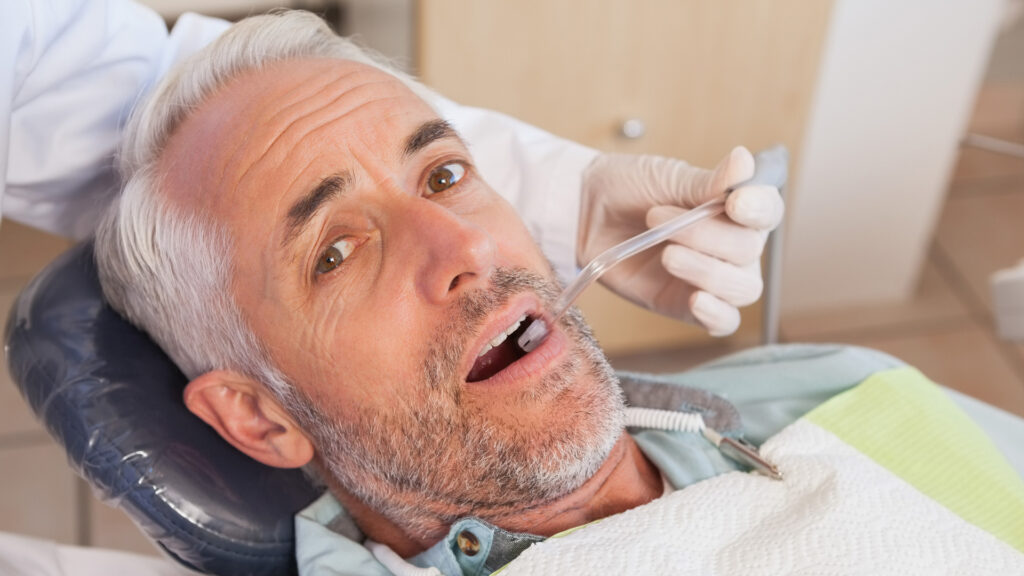
Cosmetic dental work is designed to improve appearance, but it still lives in a very practical world. Bonding chips. Veneers crack. A temporary crown loosens at the wrong time. A front tooth repair that looked seamless on Monday can feel rough, sharp, or unstable by Friday afternoon. When that happens, the problem is not only cosmetic. It can affect speech, biting, confidence, and sometimes the health of the tooth underneath.
Patients are often surprised by how often an aesthetic problem becomes an urgent one. A broken edge on composite bonding may seem minor until the area starts catching on the lip or tongue. A veneer that has shifted can expose sensitive tooth structure. A fractured cosmetic repair can trap food and plaque, irritating the gums within hours. This is where an Emergency Dentist becomes important, not because every damaged cosmetic restoration is dramatic, but because timing matters. Quick, sensible treatment can preserve the restoration, protect the tooth, and prevent a straightforward repair from turning into a more complicated case.
When cosmetic damage becomes a true dental emergency
Not every flaw needs same-day treatment, but some situations do. The challenge is that patients tend to judge urgency by appearance alone. If the tooth does not hurt, they assume it can wait. In practice, the decision depends on stability, sensitivity, and risk.
A chipped bit of bonding on the corner of a front tooth may be mostly aesthetic if the edge is smooth and the tooth feels normal. The same chip becomes more urgent if it leaves a razor-sharp margin, changes the bite, or exposes dentin. Dentin is softer than enamel and can become sensitive quickly. Once exposed, it is also more vulnerable to wear and staining.
Veneers and cosmetic crowns follow a similar pattern. A hairline crack in porcelain is different from a veneer that feels loose, lifts at one edge, or has come off entirely. A restoration that is moving even slightly can allow bacteria and saliva underneath. That does not always cause immediate pain, but it increases the chance of decay, pulpal irritation, or bond failure.
One of the most common stories in practice goes like this: someone bites into a crusty roll, a protein bar, or a forkful of salad with a hidden olive pit, then hears a click. The front tooth looks “a little off,” but there is no severe pain, so they wait. Two days later, the area is more sensitive, the gum is inflamed, and the original simple re-bond is no longer an option. What could have been polished or repaired in one visit now needs a fuller restoration.
The cosmetic repairs that fail most often
Composite bonding is the workhorse of minor smile enhancement. It is conservative, repairable, and often beautiful when done well. It is also more vulnerable to chipping and wear than porcelain. Bonding at the edges of front teeth takes a lot of abuse, especially in patients who bite their nails, clench, chew ice, or use their teeth as tools without thinking about it.
Porcelain veneers are stronger in terms of stain resistance and long-term surface finish, but they are not indestructible. They can chip, debond, or fracture under the wrong load. A veneer that has lasted years can still fail suddenly after one awkward bite or a season of unrecognized grinding.
Tooth-colored fillings on visible teeth also fall into this category. Patients may not think of them as cosmetic, yet when a front filling breaks, the result can be just as distressing as a damaged veneer. Internal discoloration, marginal breakdown, and corner fractures are especially common in older anterior restorations.
Temporary restorations deserve mention too. After tooth preparation for a veneer or crown, the temporary protects the tooth and maintains appearance until the final restoration is placed. If it comes off, the tooth underneath may be exposed, sensitive, and more prone to shifting. That is often urgent even when it does not look dramatic.
What an Emergency Dentist looks for first
In an emergency visit for damaged bonding or cosmetic work, the first job is not to make the tooth perfect. The first job is to understand what failed and whether the underlying tooth is healthy.
A careful dentist will assess the restoration itself, the enamel around it, the bite, the pulp response if sensitivity is present, and the condition of nearby gums. If the repair broke because of trauma, they may also evaluate the lips, tongue, and surrounding teeth. Tiny enamel cracks or a root injury can be missed if the focus stays only on the visible chip.
The bite matters more than many people realize. If bonding repeatedly breaks in the same place, the issue is often not poor material alone. The tooth may be receiving too much force in a specific contact pattern. Replacing the bonding without adjusting that bite relationship can lead to another fracture in weeks.
Shade and surface texture matter too, especially in the front of the mouth. Cosmetic repairs done in a rush can solve the emergency but create a different problem if they are bulky, flat, or mismatched. An experienced Emergency Dentist balances speed with restraint. Sometimes the right choice is a durable temporary contour that protects the tooth now, followed by a more refined polish or remake once conditions are ideal.
Common same-day treatment options
Emergency treatment for cosmetic damage usually falls into one of several practical categories:
- smoothing and polishing a rough or chipped edge
- adding or replacing composite bonding
- re-cementing or temporarily securing a loose restoration
- removing a failed restoration and placing a protective interim repair
- stabilizing the tooth and planning a definitive cosmetic remake
Those options may sound simple, but choosing correctly takes judgment. A rough edge can often be reshaped in minutes, and that is sometimes all the patient needs. By contrast, trying to patch a large veneer fracture chairside may produce a weak, visibly mismatched result when a replacement would serve better.
Composite bonding is particularly useful in urgent care because it can often be done the same day with minimal tooth reduction. If a front corner breaks, the dentist may be able to roughen, etch, bond, layer composite, cure it, shape it, and polish it in one visit. The final appearance depends on lighting, moisture control, and the extent of the break. Small repairs can be nearly invisible. Larger ones require more art and sometimes a follow-up finishing appointment.
When a veneer or crown comes off intact, re-cementation may be possible. That depends on the fit, the condition of the restoration, and whether the underlying tooth has changed. If the inside is contaminated, fractured, or distorted, simply sticking it back on is not always wise. Temporary cement may be used as a short-term solution if a definitive remake is planned.
Damaged bonding needs a different approach than broken porcelain
Patients often group all white dental work together, but composite and porcelain behave very differently. That difference shapes emergency treatment.
Bonding is repair-friendly. New composite can often be chemically and mechanically joined to old composite if the surface is properly prepared. The repair may not be as strong as the original untouched restoration, but it can still be durable, especially when the defect is modest and the bite is favorable. This is one reason bonding is so popular for small shape corrections and edge repairs. It gives the clinician room to patch, refine, and maintain over time.
Porcelain is less forgiving. Small chips in a veneer can sometimes be smoothed if they do not affect appearance much, or repaired with composite in select situations. Still, porcelain repairs on highly visible teeth are often Emergency Dentist compromise treatments. The gloss, translucency, and wear behavior of composite do not perfectly match ceramic. For a patient speaking in bright daylight or under office lighting all day, that difference can matter.
I have seen excellent emergency composite patches on porcelain that carried someone comfortably for months before the final veneer replacement. I have also seen patients disappointed when they expected a perfect invisible fix in one urgent visit. The honest conversation is part of the treatment. The best emergency care solves the immediate problem and sets realistic expectations about what comes next.
Pain, sensitivity, and what they can signal
Pain is not required for urgency, but when it is present, it changes the picture. Sharp sensitivity to air or cold can mean exposed dentin. Pain on biting may suggest a crack, an unstable restoration, or pulpal inflammation. A throbbing tooth after a cosmetic restoration breaks raises concern that the injury is not only superficial.
This is especially relevant in previously traumatized teeth. A front tooth that was chipped and bonded years ago after a sports injury may have a more fragile nerve supply than it seems. If that tooth fractures again, sensitivity and discoloration should be taken seriously. The cosmetic repair may be only one piece of Emergency Dentist the problem.
Gum tenderness around a damaged veneer or crown can also be informative. A rough margin traps plaque quickly. In some cases, the patient thinks the tooth itself hurts, but the real culprit is inflamed gingiva reacting to a jagged or overhanging edge. Cleaning up that contour can bring fast relief.
What patients should do before the appointment
The hours between the break and the dental visit matter. Good interim care can reduce discomfort and improve the odds of a cleaner repair.
- keep the area clean with gentle brushing and warm water rinses
- save any broken piece, if found, in a clean container
- avoid biting into hard foods with the affected tooth
- cover a sharp edge with orthodontic wax if it is rubbing the lip or tongue
- do not use household glue or over-the-counter adhesives on the tooth
The last point deserves emphasis. People get creative when they are embarrassed or trying to get through a workday. Pharmacy repair kits have limited uses, but home glues are unsafe and can make professional bonding much harder. Even temporary cement should be used cautiously and only when the patient has specific guidance.
If swelling, severe pain, fever, or trauma to multiple teeth is involved, the case moves beyond simple cosmetic repair and needs prompt clinical assessment.
The trade-off between fast treatment and ideal aesthetics
Emergency dentistry lives in the tension between urgency and perfection. That is not a flaw in the process. It is reality.
The tooth may be dehydrated when the patient arrives, making shade matching less reliable. The lip may be swollen after trauma. The area may be difficult to isolate because of saliva or bleeding. The patient may have only a short time window and needs the tooth made presentable enough for a meeting, event, or public-facing job.
Under those conditions, the smartest treatment is sometimes a strong, conservative interim result rather than a definitive cosmetic masterpiece. A dentist may rebuild the missing portion in composite, smooth it well, and revisit surface texture and micro-anatomy later. Or they may secure a loose veneer temporarily and schedule replacement under better conditions.
That kind of staged care is not cutting corners. It is often the mark of someone who understands both biology and aesthetics. Rushing a definitive veneer impression on an inflamed, traumatized tooth can produce a poorer result than stabilizing first and finishing later.
Why some repairs keep failing
Repeated failure usually has a reason. It may be force-related, design-related, or habit-related. Bruxism is a major factor. Patients who grind at night often chip bonding in similar patterns, usually at incisal edges or canine tips. A night guard can extend the life of repairs dramatically, but only if the patient actually wears it.
Thin bonding on a long unsupported edge is another common issue. It may look elegant on day one but lack enough bulk in high-stress zones. Sometimes the repair needs to be redesigned rather than simply replaced. That might mean shortening an edge slightly, redistributing contacts, or moving from composite to porcelain for better strength, assuming the tooth and bite support that choice.
Diet and habits play a role too. Sunflower seeds cracked with the front teeth, pen chewing, fingernail biting, and tearing tape with incisors are classic repair killers. Patients often laugh when asked about these habits, then pause and admit they do one of them every day.
There is also the matter of aging restorations. Bonding does not fail only from dramatic accidents. It absorbs stain, loses luster, and can weaken at the margins over time. What looks like a sudden break is sometimes the last step in a longer wear process. In those cases, the emergency visit may reveal that patching one corner will not give a predictable long-term result, and a more comprehensive refresh is worth discussing.
Special cases after trauma
When cosmetic damage follows a fall, sports injury, or impact, the visible problem may distract from the serious one. A bonded edge can chip because the tooth absorbed force. Even if the repair seems small, the dentist may check for mobility, percussion sensitivity, pulp vitality changes, and root or bone injury.
Front teeth can stay alive after trauma and still develop nerve problems later. That delayed response is one reason follow-up matters. If the emergency visit restores appearance beautifully but no one monitors the tooth afterward, internal damage can be missed until discoloration or pain shows up months later.
Children and teenagers present their own challenges. Bonding is often favored for young patients because it preserves tooth structure and can be repaired as the mouth matures. In an emergency, that flexibility is valuable. The treatment goal is usually to protect the tooth, maintain appearance, and avoid aggressive irreversible work too early.
How to judge whether your dentist is handling the situation well
Patients in distress tend to focus on speed, but quality emergency care shows up in the details. The clinician should explain whether the repair is temporary or definitive, what caused the damage, and what limitations to expect. They should also address the bite if the fracture pattern suggests overload.
A rushed repair that looks white but feels high when you close is not a success. Neither is a smooth re-bond on a tooth with unexplained lingering sensitivity. Good emergency treatment relieves the immediate problem and leaves a sensible path forward.
One sign of experience is restraint. A dentist who says, “I can make this comfortable and secure today, but I want to revisit the final cosmetic finish once the tooth settles,” is often giving the most responsible advice in the room.
Preventing the next urgent cosmetic repair
Prevention is rarely glamorous, but it is cheaper and less stressful than repeat emergencies. If you have bonding on front teeth, a little behavior change goes a long way. Do not test restored edges against hard foods. If you clench or grind, use the guard you were given. If a repair starts to feel rough or catches floss, have it checked early rather than waiting for a larger break.
Routine polishing and maintenance matter as well. Composite restorations benefit from occasional refinement. A tiny marginal flaw spotted during a regular visit can often be repaired in minutes. Left alone, it may become the weekend emergency that disrupts plans and costs far more to fix.
Cosmetic dentistry works best when it is treated as both art and maintenance. Even the best materials operate in a wet, high-force environment for thousands of chewing cycles a day. Respecting that reality helps patients make better choices and helps repairs last longer.
The practical takeaway
When bonding, veneers, or other visible restorations are damaged, the smartest response is prompt evaluation, not panic and not delay. A skilled Emergency Dentist can often restore appearance quickly, but the real value lies in protecting the underlying tooth and making good decisions under imperfect circumstances.
Some cases need only smoothing and polish. Others need a careful re-bond, a temporary stabilization, or a full remake planned in stages. The difference comes down to the condition of the tooth, the material involved, the bite, and the cause of failure. Cosmetic repairs may look small, but they deserve clinical judgment that goes beyond surface appearance.
If the tooth feels sharp, loose, sensitive, or suddenly different when you bite, treat that as a reason to be seen. Fast attention often preserves options. And in cosmetic dentistry, preserving options is what keeps a minor problem from becoming a much more visible one.