Is Root Canal Beverly Hills Treatment Painful? Myths and Facts

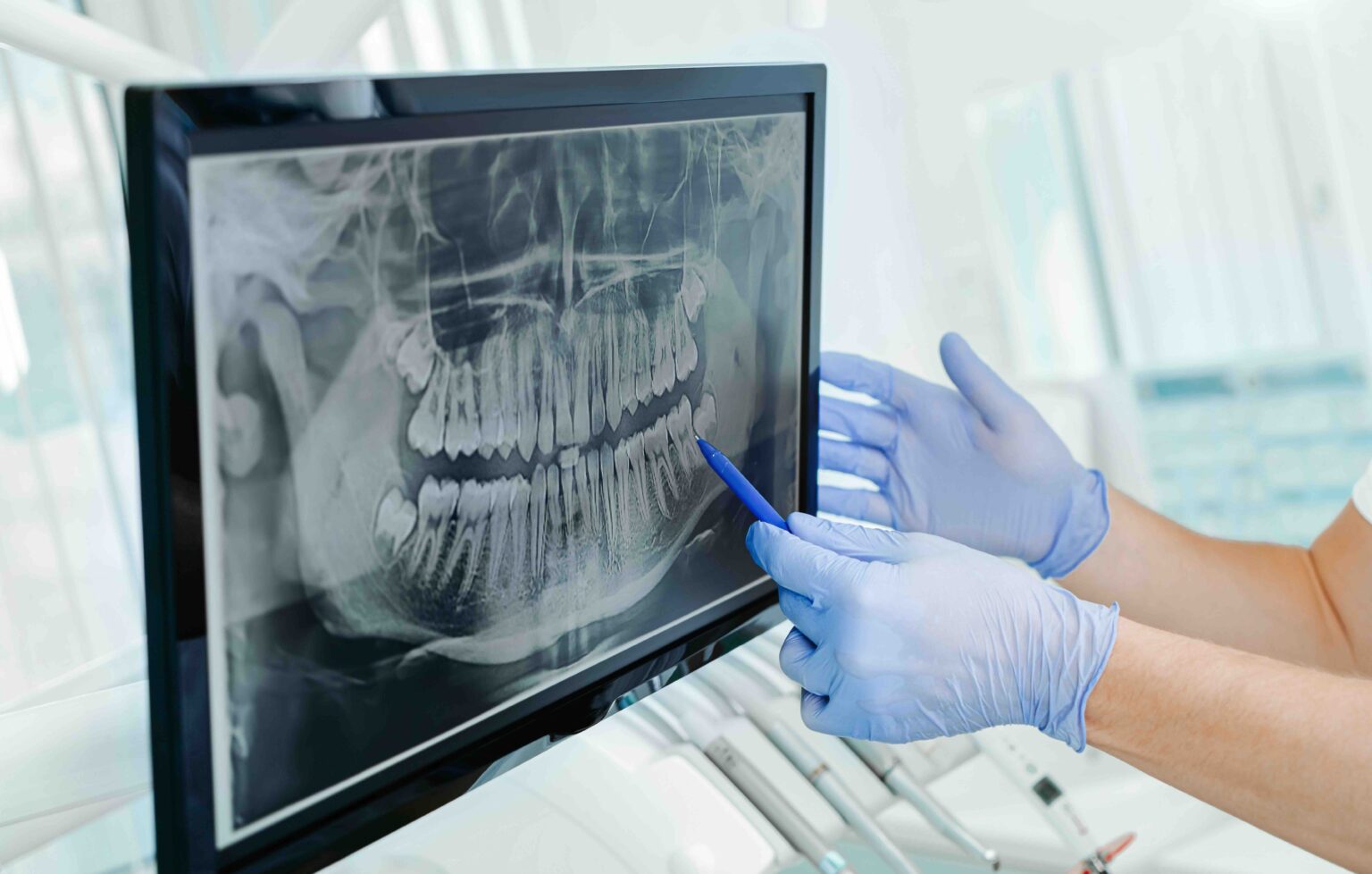
Few dental procedures carry as much baggage as the root canal. Patients often walk into the office tense before they even sit down, and not because they are in pain at that moment. They are reacting to the reputation. Somewhere along the way, root canals became shorthand for a miserable experience, the kind of story people retell with dramatic pauses and grim facial expressions. The truth is much less exciting, and much more reassuring.
If you are searching for answers about Root Canal Beverly Hills treatment, the real question usually is not just, “Will it hurt?” It is, “What am I actually signing up for, and is the discomfort worse than what I am already dealing with?” That distinction matters. In day-to-day practice, most patients who need a root canal are already living with an irritated or infected tooth nerve. The procedure is not what creates the problem. It is what relieves it.
The modern root canal has more in common with a routine restorative appointment than with the horror stories that still circulate online and in casual conversation. Local anesthetics are reliable. Imaging is far better than it used to be. Rotary instruments have made treatment smoother and more efficient. Most importantly, dentists understand how to control pain during and after treatment in a practical, patient-specific way.
Why root canals have such a bad reputation
The myth did not appear out of nowhere. Decades ago, dental treatment could be rougher. Anesthetics were not as refined, techniques were slower, and people often waited far too long before seeking care. A severely infected tooth can make any dental visit difficult, especially when the surrounding tissue is inflamed and touch-sensitive before treatment even begins.
People also tend to compress different experiences into one story. A painful abscess, poor sleep, swelling, anxiety, a long appointment, and a sore jaw afterward can all become “the root canal was awful,” even if the real pain came from the untreated infection before the dentist started. That kind of memory sticks.
There is also a psychological component. Teeth are personal. The mouth is a vulnerable place. A patient who feels tense can experience ordinary sensations, pressure, vibration, the sound of the handpiece, as something far more threatening. That does not mean the experience is imagined. It means pain is not just a mechanical event. It is filtered through fear, past experiences, and expectations.
In affluent areas where aesthetics and long-term preservation matter, many patients looking into Root Canal Beverly Hills care are trying to save a natural tooth rather than remove it. That is a smart instinct. Saving the tooth often protects the bite, preserves bone, and avoids more extensive restorative work later. The irony is that patients sometimes fear the very procedure that gives them the best chance of relief and preservation.
What a root canal actually does
A root canal treats the inside of the tooth, specifically the pulp, which contains nerves and blood vessels. When the pulp becomes inflamed or infected, often because of deep decay, a crack, repeated dental work, or trauma, the tooth can become exquisitely painful. In some cases it dies quietly and causes little pain at first, only to show up later as swelling, pressure, or a darkened tooth.
During treatment, the dentist or endodontist removes the diseased pulp, cleans and shapes the narrow canals inside the roots, disinfects the space, and seals it. The visible crown of the tooth remains, and afterward the tooth is restored, often with a crown if it has lost a substantial amount of structure.
That description sounds technical, but the important point is simple. The root canal removes the tissue causing the pain. It does not leave a raw nerve exposed. It removes the damaged nerve tissue altogether.
So, is it painful during the procedure?
For the vast majority of patients, no, not in the way they fear. A properly anesthetized root canal should feel like pressure, vibration, and Root Canal Beverly Hills time, not sharp pain. If someone tells you a root canal is automatically agonizing, they are usually describing an outdated experience, an untreated infection before numbness fully set in, or a case with unusual complexity.
There are situations that require extra care. A tooth with acute inflammation can be more difficult to numb because inflamed tissue changes how local anesthetic behaves. Lower molars, especially “hot teeth” with irreversible pulpitis, are notorious for this. Experienced clinicians know that and plan accordingly. They may use supplemental injections, give the anesthetic more time, change technique, or stage treatment if the tissue is too reactive.
What patients often confuse with pain is sensation. You may feel your mouth being held open, water spray, pressure when instruments are working, or the odd awareness that someone is active inside the tooth while you cannot feel the tooth itself. That mismatch can be unsettling, especially for anxious patients, but it is not the same as pain.
A simple rule helps here. If you feel pain, say so immediately. Dentists do not award prizes for enduring it quietly. Good care is interactive. The team can stop, reassess numbness, add anesthetic, and Root Canal Beverly Hills adjust. Most painful dental visits become painful because the patient tries to push through the first warning signs instead of speaking up.
The myths that keep patients up at night
The fear around root canals usually rests on a small cluster of myths, many of which are repeated with great confidence and very little accuracy.
Myth: A root canal is more painful than an extraction
Sometimes an extraction is the right treatment, especially if the tooth is fractured beyond repair or the supporting bone is badly compromised. But pulling a tooth is not automatically the easier or more comfortable route. Extractions involve pressure, post-operative clot formation, gum healing, and in some cases bone remodeling. If the missing tooth then needs to be replaced with an implant or bridge, the overall treatment can become more involved than saving the original tooth.
Many patients are surprised to learn that a root canal often causes less disruption afterward than a difficult extraction. Saving the tooth keeps chewing function stable and avoids the “now what?” phase that follows removal.
Myth: The procedure kills the tooth, so the tooth becomes harmful
A root canal-treated tooth no longer has living pulp inside it, but that does not make it dangerous. The goal is to remove infected tissue and seal the interior so bacteria cannot continue to spread. A well-treated and well-restored tooth can function for many years, often decades. What threatens longevity is not the absence of the nerve. It is leakage, fracture, delayed crown placement, or decay around the restoration.
Myth: If the pain goes away, the root canal is no longer necessary
Pain can fade when a nerve dies completely, but that is not a sign of healing. It may simply mean the tooth no longer has viable nerve tissue to transmit pain. Infection can still remain around the root tip and flare later. Some of the quietest teeth on exam produce some of the more impressive X-rays.
Myth: Root canals always take several long appointments
Some do, particularly molars with complex anatomy or teeth requiring retreatment. Many, however, are completed in one visit. Front teeth and straightforward premolars are often quicker than patients expect. The number of appointments depends on anatomy, infection level, symptoms, restorability, and whether a specialist is involved.
What the patient usually feels afterward
After treatment, it is common to have mild to moderate soreness for a few days. This is usually not the dramatic pain patients imagined before treatment. It is more often tenderness when biting, a bruised feeling around the tooth, or jaw fatigue from keeping the mouth open. The tissues around the root have been manipulated, and if there was infection beforehand, those tissues were already irritated.
A useful comparison is this: the treated area can feel as though it has been worked on, because it has. That is different from the throbbing, spontaneous nerve pain that sent the patient in.
Most patients do well with over-the-counter anti-inflammatory medication if they can take it safely, sometimes paired with acetaminophen depending on the clinician’s advice and the person’s medical history. Stronger pain medication is far less common than many assume. Antibiotics are not routinely needed after every root canal either. They are used when there is spreading infection, swelling, fever, or other clear clinical reasons, not simply because a root canal was performed.
A short list of what is normal after treatment can be helpful:
- Mild soreness to biting or tapping for several days
- Temporary jaw stiffness from the appointment
- Sensitivity in surrounding gum tissue near the treated tooth
- Improvement that comes gradually, not instantly
- The need to avoid chewing hard foods on the tooth until final restoration
If pain is increasing instead of easing, or if swelling appears or worsens, that deserves a call to the office. Most post-treatment issues are manageable, but they should be addressed early.
Why some root canals feel harder than others
Not all root canals are created equal. A front tooth with one straight canal is a very different case from a lower molar with curved, narrow, branching canals and limited access. Anatomy matters. So does timing.
A patient who comes in early, when the tooth is inflamed but not yet associated with facial swelling or severe bone involvement, usually has a smoother course. Someone who has spent two weeks trying to sleep upright, taking intermittent antibiotics from an urgent care clinic, and chewing only on one side is coming in with a more agitated system. The procedure can still go well, but the road there is rougher.
Cracks also complicate the picture. A tooth may need root canal therapy and still have a guarded prognosis if a crack extends too far below the gumline or into the root. This is one reason honest diagnosis matters. A root canal can solve nerve pain, but it cannot reverse structural damage that makes the tooth unrestorable.
In places where patients are comparing options carefully, Root Canal Beverly Hills consultations often involve this exact judgment. Not every painful tooth should automatically receive endodontic treatment. The right question is whether the tooth can be predictably saved and restored. Good dentistry balances comfort, longevity, cost, and biology.
Anxiety can amplify pain, but it can also be managed
Pain and fear have a two-way relationship. A nervous patient tenses the jaw, breathes shallowly, focuses on every sound, and interprets ambiguity as danger. That amplifies the experience. The encouraging part is that anxiety can be reduced in concrete ways.
Communication helps more than patients expect. A brief conversation about what sensations are normal, how long a step will take, and what signal to use if the patient wants a pause can lower the stress level immediately. Noise-canceling headphones help some people. So does a bite block, which rests the jaw so the patient is not trying to stay open by muscle effort alone.
For highly anxious patients, sedation may be appropriate depending on the practice and the person’s health history. Even simple measures, a calm operator, unhurried anesthetic delivery, checking numbness before starting, can turn a dreaded appointment into a manageable one.
One pattern appears again and again in clinical settings: the patient who says, “That was nowhere near as bad as I expected.” That reaction is common because the fear beforehand was built on stories, not on what modern care usually feels like.
How to tell if you might need a root canal
A tooth does not always announce itself dramatically, but certain patterns raise suspicion. Lingering pain with hot or cold, pain that wakes you at night, tenderness when chewing, swelling near the gum, or a pimple-like bump that comes and goes are all common signs. So is deep decay found on an exam, especially if the nerve tests show a stressed or nonresponsive pulp.
Still, symptoms are not perfectly reliable. Some infected teeth barely hurt. Others mimic sinus pressure, ear discomfort, or vague pain that seems to move around the jaw. Diagnosis depends on a mix of exam findings, X-rays, pulp testing, bite assessment, and the patient’s history.
That is why self-diagnosis tends to go wrong. People often assume every toothache means extraction, every temperature sensitivity means a cavity, and every bad episode means an infection that needs antibiotics. Teeth are less straightforward than that. A cracked cusp, grinding trauma, a sinus issue, gum inflammation, or referred pain from another tooth can all muddy the picture.
What makes a root canal more comfortable and more successful
The procedure itself matters, but the surrounding decisions matter too. Early evaluation is one of the biggest factors. Patients who wait until pain becomes unbearable are often treating the calendar, not the tooth. By the time they arrive, the infection may be more advanced and the tissue more reactive.
The final restoration is just as important. A root canal without a proper buildup or crown, when indicated, is like fixing the wiring in a house but leaving the roof open. Posterior teeth, especially molars, are vulnerable to fracture after root canal treatment because they have often lost substantial tooth structure before treatment even starts. The restoration protects the investment.
Here are the practical questions worth asking your dentist or endodontist:
- Is the tooth predictably restorable after the root canal?
- Will I need a crown, and how soon should it be placed?
- What level of soreness is normal for this specific tooth?
- When should I call if symptoms do not improve?
- Are there signs of cracking or other issues that affect prognosis?
Those questions lead to better decisions than asking only whether the procedure itself will hurt.
The Beverly Hills factor, expectations and standards
Patients seeking Root Canal Beverly Hills treatment often have a particular set of expectations. They want comfort, yes, but they also want precision, aesthetic planning, efficient scheduling, and long-term results. In that setting, the conversation is rarely limited to pain. It includes preserving natural teeth, coordinating with cosmetic work, timing crowns appropriately, and maintaining a smile that functions as well as it looks.
That can be a good thing. High expectations often push for better communication and more complete planning. At the same time, they can create a subtle trap. Some patients expect a root canal to be completely sensation-free afterward, with zero soreness, zero inconvenience, and immediate normal chewing. Biology does not always cooperate that neatly. A successful treatment can still leave the area tender for a few days. A well-done procedure can still require a crown, temporary bite adjustments, or a follow-up check.
The best outcomes usually come when patients understand both sides of the equation. Modern root canals are generally far more comfortable than their reputation suggests, and they are also still real procedures that involve healing.
When pain after a root canal is not typical
Persistent severe pain is not something to brush off. If a patient cannot sleep because of worsening pain several days later, or develops swelling, fever, a bad taste, or pain that radiates and intensifies, a reassessment is warranted. There may be an infection that needs additional management, a high bite causing traumatic pressure, missed anatomy, or a crack that was not fully apparent at the start.
Fortunately, those situations are the exception, not the rule. Most post-operative problems have identifiable causes and reasonable solutions. Sometimes the fix is as simple as adjusting the bite so the tooth is not hitting too hard when chewing. That small detail can make a dramatic difference in comfort.
The bottom line patients usually discover for themselves
The real enemy is often not the root canal. It is the untreated tooth. A nerve that is inflamed or infected can produce some of the most draining, relentless pain in dentistry. The procedure designed to remove that source of pain has been unfairly cast as the villain.
People who delay treatment out of fear often learn the hard way that waiting rarely makes the experience easier. Infection spreads. Sleep gets worse. Stress climbs. The appointment they dreaded becomes more urgent than it needed to be. On the other hand, patients who get an accurate diagnosis, discuss their options clearly, and move forward in a timely way often find the treatment manageable and the relief significant.
So, is root canal treatment painful? Usually far less than the condition that made it necessary. With current techniques, careful anesthesia, and realistic expectations, the average patient experiences a procedure that is more boring than brutal, and that is about as good a myth-busting fact as dentistry can offer.
Dental Group of Beverly Hills
8641 Wilshire Blvd, Suite 125
Beverly Hills, CA 90211
(310) 361-2835
FAQ About Root Canal Beverly Hills
What are the signs you need a root canal?
Persistent pain, lingering temperature sensitivity, or swelling can have several causes. A dentist can examine the tooth and decide whether root canal treatment is appropriate.
How much does a root canal usually cost in Beverly Hills CA?
Cost varies by tooth, complexity, insurance, and whether a permanent restoration is needed. Request an itemized estimate.
How long do root canals last?
A treated tooth can last many years with a suitable restoration and regular dental care. Its outlook depends on tooth condition, the seal, and follow-up care.